November 16, 2026
The Function of Gas Engineers precede Exploration
By @waterheaterknowhowbd18
When you take into consideration room expedition, you may think about astronauts and spacecraft, but have you ever considered the gas designers behind the scenes? These experts style and handle crucial gas systems that guarantee both propulsion and life assistance in the harsh environment of room. Their work is essential for mission success, yet the subtleties of their duty typically go undetected. As we explore the future of area traveling, the developments and obstacles dealt with by gas engineers will end up being progressively vital. What exactly are these technologies, and how might they shape our following enter the cosmos?
Key understandings
- Gas engineers make certain trustworthy gas supply for propulsion and life support, vital for mission success in space exploration.
- They establish and carry out gas recycling systems to save sources during long-duration objectives.
- Conformity with safety protocols and policies is essential for taking care of cryogenic gas and pressurized gases.
- Gas engineers enhance life support systems to keep breathable air and regulate thermal problems in spacecraft.
- Advancements in propellant selection and different gas minimize environmental impact and boost propulsion effectiveness for future objectives.
Importance of Gas Equipments
Gas systems play an important function in room expedition, and recognizing their importance is necessary for anyone involved in this area. You need to identify that these systems give a trustworthy gas supply, which is vital for propulsion and life assistance. Energy administration within these systems boosts fuel usage while making the most of burning performance. By integrating advanced thermal dynamics, gas systems preserve suitable operating temperature levels, improving overall system efficiency.
Pressure regulation is one more important facet, as it guarantees safe and constant operation under varying conditions. You should additionally consider gas storage space options, which must be efficient, safe and secure, and with the ability of managing the distinct difficulties of space. Appropriate emissions control strategies are crucial for reducing ecological effect and guaranteeing compliance with regulatory criteria.
Furthermore, system combination plays a key role in the smooth procedure of all components within a spacecraft. Each aspect must collaborate to accomplish the preferred efficiency, making specific engineering and control necessary. By grasping these aspects of gas systems, you can contribute substantially to the success of space objectives, making certain they are effective, safe, and ecologically responsible.
Designing Propulsion Mechanisms
When developing propulsion mechanisms, your emphasis ought to get on propellant selection criteria, as it directly affects performance and mission success. You'll likewise require to focus on engine effectiveness optimization to make best use of drive while lessening resource intake. Furthermore, carrying out durable safety and security protocols is necessary to prevent failures that might threaten the entire mission.
Propellant Selection Standards
Choosing the right propellant is fundamental for the performance and performance of propulsion mechanisms in space exploration. You'll require to evaluate various fuel types based upon numerous considerable efficiency metrics, like particular impulse and thrust-to-weight proportion. The combustion buildings of the propellant straight impact engine performance, so understanding just how different gas burn under various problems is crucial.
Furthermore, you'll wish to evaluate the thermal security of prospective propellants to guarantee they can withstand the severe conditions of space travel. Material compatibility is likewise important; the propellant has to not react detrimentally with engine components.
Cost analysis plays a significant duty in your selection procedure. You'll need to review both the initial purchase prices and ongoing supply chain logistics to guarantee a steady accessibility of the picked propellant. Ultimately, you must assess the ecological impact of your gas choice. As space exploration progresses, reducing environmental impacts has come to be increasingly essential. Stabilizing these elements fuel types, efficiency metrics, ecological considerations, and financial feasibility will certainly guide you in choosing one of the most suitable propellant for your propulsion mechanisms.
Engine Effectiveness Optimization
Enhancing engine efficiency in propulsion mechanisms requires a careful balance of design and operational specifications. You must perform a detailed thermodynamic evaluation to analyze just how various aspects like temperature level, pressure, and fuel type affect efficiency. By comprehending the thermodynamic cycles included, you can recognize the suitable operating problems that make the most of power output and lower waste.
Integrating sophisticated modeling methods can assist simulate gas burning processes, enabling you to review different combustion chamber designs. This analysis can disclose how modifications affect the burning effectiveness and overall thrust. You'll want to decrease the formation of unburned hydrocarbons and various other byproducts that might endanger engine performance.
Furthermore, consider the assimilation of innovative materials that hold up against severe conditions, improving thermal administration. This can lead to boosted warm transfer and lowered thermal losses, further optimizing performance.
Finally, frequently monitoring engine specifications during procedure allows you to make improvements setups in real-time. By combining rigorous screening and evaluation with flexible control systems, you can attain exceptional engine efficiency, leading the way for much more efficient propulsion devices in space expedition.
Security Methods Execution
Accomplishing high engine effectiveness does not just hinge on performance metrics; it likewise demands rigorous safety and security methods in the design of propulsion mechanisms. When you create propulsion systems, integrating safety measures is non-negotiable. You'll require to concentrate on emergency treatments that can promptly deal with prospective failings. These treatments should be clearly recorded and accessible for all staff member.

Including considerable training programs is important for ensuring that everybody entailed is well-prepared. These programs should cover not just the functional elements of the propulsion system but likewise the particular safety protocols that need to be adhered to during different stages of operation. Routine drills must reinforce the relevance of these emergency treatments, making sure that the group can respond effectively under stress.
Furthermore, safety protocols have to be continually assessed and upgraded based upon the most recent research study and searchings for precede engineering. This repetitive process will assist you recognize possible threats and reduce them prior to they come to be crucial issues. By focusing on security alongside engine efficiency, you'll create propulsion devices that are not only powerful however also safe and secure, promoting self-confidence in your styles for future area objectives.
Life Assistance Equipments
Life support group are basic for sustaining human life in the rough environment of room. These systems need to properly manage a range of critical features to assure astronaut safety and security and convenience. You'll count on gas recycling modern technologies to gas safe engineer margate lessen the loss of crucial resources. Via advanced oxygen generation processes, the system regularly restores breathable air, while effective carbon dioxide removal assurances that exhaled gases do not accumulate to dangerous levels.
Pressure control is an additional necessary facet; it keeps a steady climatic atmosphere that resembles Earth's problems. Any fluctuations can lead to serious physiological influences, so specific monitoring and modifications are important. Thermal law keeps the temperature within appropriate limits, securing you from the severe temperature levels of room. In addition, humidity administration plays a key duty in keeping comfort and protecting against equipment damage; excessive dampness can lead to condensation issues.
Safety Protocols and Criteria
Precede expedition, determining threats is vital to ensuring safety, and you must utilize organized methods to assess potential threats. Conformity with well-known policies not only protects staff participants but additionally enhances mission success. Understanding these safety and security methods and standards will help you navigate the complexities of gas design in this challenging setting.
Danger Recognition Strategies
When reviewing possible threats precede expedition, utilizing methodical hazard recognition methods is essential for making sure safety and compliance with sector criteria. You'll require to incorporate robust approaches that help with reliable danger analysis and form emergency situation response strategies.
Below are 3 key methods you ought to check out:
-
Mistake Tree Evaluation (FTA): This deductive method allows you to recognize feasible failures in systems, aiding you map the root causes of threats and assess their impact on operations.
-
Danger and Operability Study (HAZOP): By systematically analyzing each part of a system, you can identify inconsistencies from intended operations, making sure that you acknowledge possible hazards prior to they escalate.
-
What-If Evaluation: This brainstorming method motivates you to review numerous circumstances, triggering you to ask "suppose" inquiries that disclose hidden threats and prepare you for unexpected situations.
Implementing these danger identification methods not just boosts your danger evaluation abilities yet additionally strengthens your emergency situation feedback strategies, making sure that all safety and security methods and requirements are satisfied.
Compliance With Rules
Conformity with regulations in room exploration is essential for maintaining safety and security and functional integrity. As a gas engineer, you should browse intricate governing structures established by numerous authorities, such as NASA and international area companies. These frameworks determine the criteria for devices, materials, and treatments that directly impact mission success.
You'll encounter compliance difficulties that need a deep understanding of both technological specs and governing expectations. As an example, confirming that gas handling systems abide by safety and security procedures involves strenuous testing and documentation. You need to be aware of the details laws controling cryogenic gas, pressurized gases, and harmful compounds, as non-compliance can cause tragic failures.
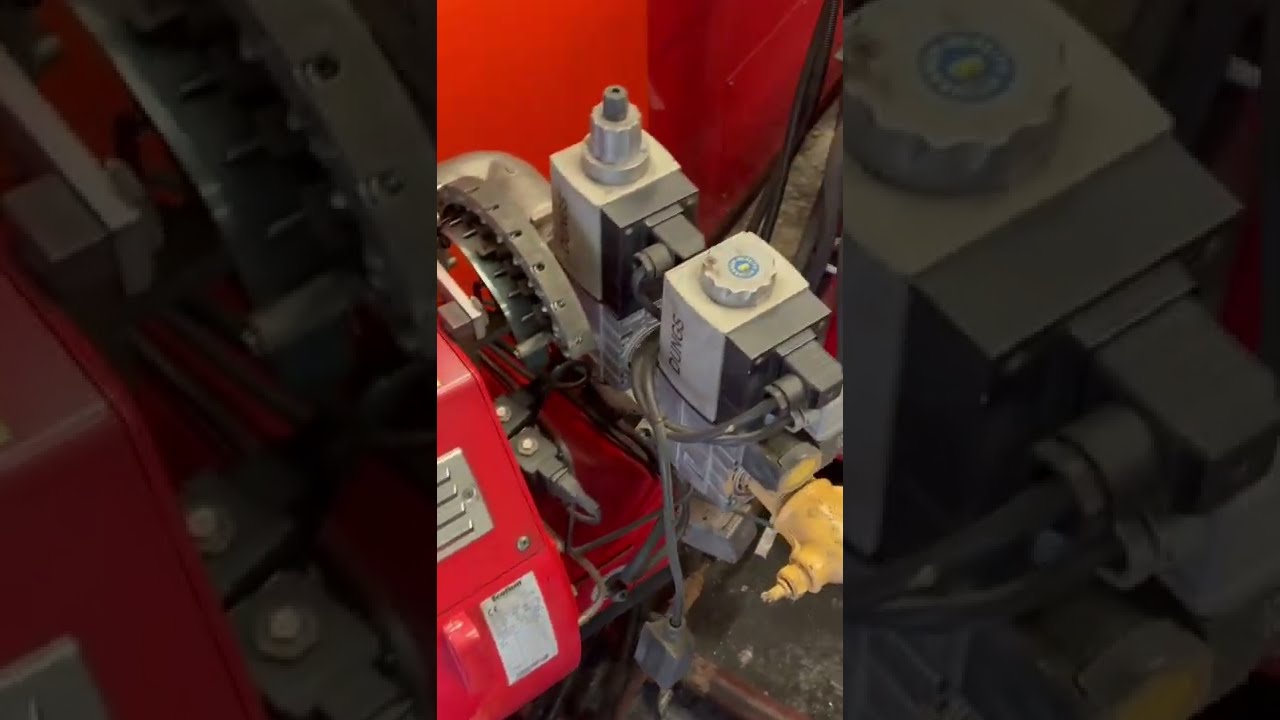
Additionally, continuous surveillance and regular audits are necessary to assure ongoing conformity throughout the goal lifecycle. This proactive approach minimizes risks associated with gas systems, protecting both personnel and spacecraft.
Remaining updated gas engineer margate on regulative modifications and proactively participating in training sessions will boost your capacity to attend to conformity challenges. Inevitably, your persistance in supporting these guidelines not only promotes a safe workplace however additionally contributes to the total success of room expedition campaigns.
Technologies in Gas Engineering
Developments in gas engineering are driving developments that boost the safety and security and efficiency of area exploration goals. As you explore this field, you'll run into a number of essential innovations that improve how we come close to gas management in extraterrestrial settings.
-
Different Gas: The advancement of different fuels, such as hydrogen and methane, plays an important duty in decreasing the carbon impact of room objectives. These fuels not only give effective propulsion options yet likewise decrease ecological effect.
-
Gas Recycling Solutions: Boosted gas recycling systems are essential for maintaining long-duration missions. By efficiently recording and reusing gases generated throughout respiration and various other processes, engineers can significantly extend the life of spacecraft.
-
Advanced Monitoring Technologies: Ingenious sensing units and keeping track of innovations permit real-time analysis of gas compositions and leakage detection. This ensures functional safety and security and aids maintain suitable weather aboard spacecraft.
These developments not just boost goal practicality however additionally lead the way for even more sustainable practices in space expedition. As you check out these improvements, consider their implications for future objectives and the total landscape of gas design precede.
Future of Space Expedition
As area exploration progresses, the combination of innovative gas engineering methods will certainly be fundamental fit future missions. You'll require to concentrate on developing sustainable gas that decrease ecological influence while taking full advantage of propulsion effectiveness. These fuels will be vital for long-duration objectives, particularly as humanity establishes its sights on interstellar travel.
In the quest for brand-new globes, gas designers will certainly play a critical role in developing systems that sustain extraterrestrial habitats. You'll harness advanced materials to create robust, lightweight structures with the ability of holding up against rough settings. These products will certainly assure that habitats stay practical and safe, enabling expanded human visibility on other worlds.
Furthermore, the optimization of gas systems in spacecraft will certainly boost life support group, providing appropriate oxygen supply and carbon dioxide removal. This is critical for sustaining life during lengthy trips via space. As you discover these technological improvements, collaboration with scientists and designers throughout disciplines will certainly be crucial.
Inevitably, your payments to gas design will certainly not just facilitate exploration yet also pave the way for a lasting human visibility beyond Planet, making the imagine interstellar traveling a tangible fact.
Regularly Asked Inquiries
What Certifications Are Needed to Become a Gas Engineer precede Exploration?
To come to be a gas designer, you require a solid structure in design principles, normally with an appropriate level in mechanical or chemical engineering. Educational pathways typically consist of coursework in fluid characteristics and thermodynamics. Furthermore, seeking accreditation programs improves your credentials, showing your know-how in gas systems. Practical experience through internships or co-ops is important, as it outfits you with the abilities and knowledge needed to excel in this customized area.
How Do Gas Designers Team Up With Other Space Expedition Teams?
Gas designers collaborate carefully with various other area exploration teams by integrating gas systems right into objective strategies. You ensure that security protocols are strictly complied with, carrying out normal checks and evaluations. By sharing experience on gas management, you assist optimize system efficiency and keep team safety. Normal communication with researchers, designers, and goal organizers allows for seamless integration of gas systems, dealing with possible threats and boosting objective success through specific coordination and technological support.
What Difficulties Do Gas Designers Face in Extreme Room Atmospheres?
In severe area settings, you encounter considerable difficulties in thermal administration and stress systems. The large temperature changes need cutting-edge options to maintain stable conditions for gas systems. You should additionally assure that pressure systems endure the harsh conditions, stopping leaks or failures. Furthermore, the lack of gravity makes complex fluid characteristics, needing you to adjust designs for reliable gas flow. Your work is essential for maintaining safety and functionality in these ruthless setups.
Just How Do Gas Engineers Make Certain Sustainability in Space Missions?
To assure sustainability precede missions, you focus on enhancing fuel systems to reduce waste and make best use of efficiency. You examine information to examine the environmental impact of various propulsion techniques, picking those that reduce exhausts and resource intake. By implementing closed-loop systems and recycling modern technologies, you aid produce a sustainable framework for lasting goals. Constant tracking and advancement in fuel administration are necessary for preserving ecological balance in the rough conditions of area.
What Job Opportunities Exist for Gas Engineers in the Area Sector?
As a gas designer, you'll discover varied job opportunities in the space industry, particularly in fuel systems and propulsion modern technologies. You could deal with developing and checking advanced gas systems that enhance performance and safety for spacecraft. Additionally, you might take part in establishing propulsion modern technologies that move lorries into orbit. These duties call for solid analytical skills and a deep understanding of chemical processes, guaranteeing your contributions are vital for successful objectives.
Recap
In summary, gas designers are essential to the success of space exploration. Their knowledge in creating propulsion systems and life support systems warranties peak performance and safety and security in rough atmospheres. By sticking to stringent safety and security methods and continuously introducing gas administration technologies, they pave the way for lasting goals. As we look towards the future of space expedition, the contributions of gas designers will be crucial in overcoming obstacles and making it possible for long-duration objectives beyond Planet.
❧